Aging in Place
Aging in Place in Tucson
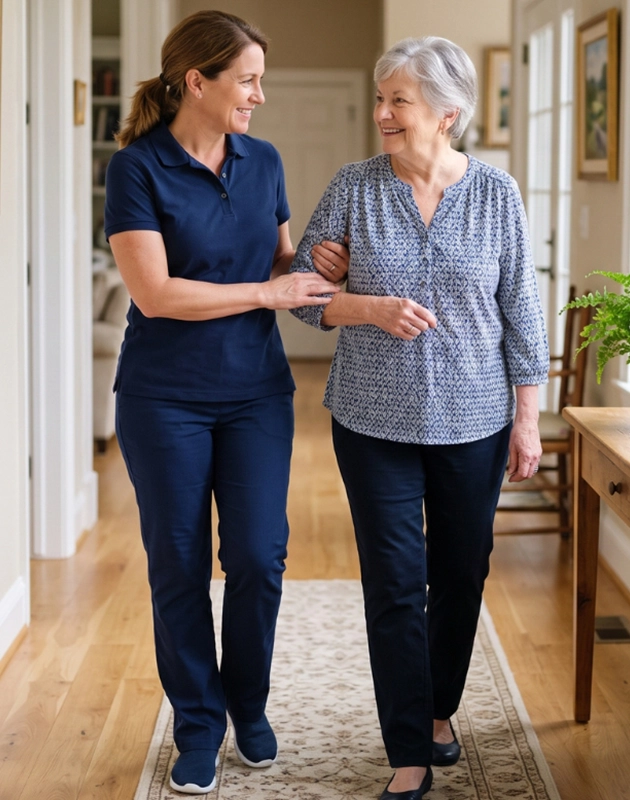
For most older adults, there is no place they would rather be than home. It is where the memories live, where every room is familiar, where the morning light and the favorite chair and the framed photographs all carry a quiet sense of belonging. That feeling is not a small thing. Familiar surroundings steady the mind, ease anxiety, and support wellbeing in ways no new environment can, which is why staying home is so often the healthiest choice as we age. Premier In-home Care exists to make it possible, pairing a small consistent team of caregivers your loved one comes to trust with the kind of thoughtful, personalized support that turns a house into a safe and lasting home for years to come.
Call (520) 276-6555 Ask about a free in home consultation
More than 600,000 hours of care. Over 600 Tucson families. Triple Best of Home Care winner. Proud VA approved provider.
What does aging in place mean?
Aging in place means growing older in the comfort of your own home rather than moving to a facility, with support brought in as needs change so you can stay safe and independent. It is a choice millions of older adults make because home offers something no care community can replicate, familiarity, privacy, routine, and a deep sense of belonging. At Premier In-home Care, aging in place is made possible through personalized in home care from a small, consistent team, so your loved one keeps the life and the surroundings they love while receiving exactly the help they need, and no more.
Why is staying at home so important as we age?
Staying at home is important as we age because familiar surroundings reduce stress and confusion, preserve independence and dignity, and support better emotional and physical wellbeing. A home holds a lifetime of memory and meaning. The routines are established, the spaces are known, and that familiarity brings a calm and confidence that an unfamiliar facility simply cannot offer, especially for someone beginning to experience memory changes.
There is real comfort in the ordinary too. Sleeping in your own bed, keeping your own schedule, sitting on your own porch, staying close to neighbors and community. These small continuities protect a person’s sense of self and belonging, and that sense of belonging is itself part of staying well. For many families, helping a loved one remain at home is not only the kindest choice but the healthiest one.
How does Premier In-home Care help seniors age in place?
Premier In-home Care helps seniors age in place by providing personalized in home care from a small, consistent team, with a care plan that adapts as needs change over time. We start by getting to know your loved one, their routines, their preferences, their goals, and what independence means to them, then build support around that rather than around a rigid schedule.
Because the same familiar caregivers return day after day, they come to know your loved one deeply, which keeps care personal and safe. They notice the subtle changes that a stranger would miss, a little less appetite, a new unsteadiness, a word that will not come, and share those observations with our team so we can adjust before a small concern becomes a serious one. A Care Manager stays involved throughout, adjusting the plan as your loved one’s needs evolve, so aging in place remains safe and sustainable for the long run.
What kind of help does aging in place care include?
Aging in place care includes personal care, meals, medication reminders, mobility and fall prevention, housekeeping, transportation, and companionship, scaled to exactly what your loved one needs. For someone who is largely independent, that might mean a few hours a week of light help and companionship. For someone who needs more, care can expand accordingly.
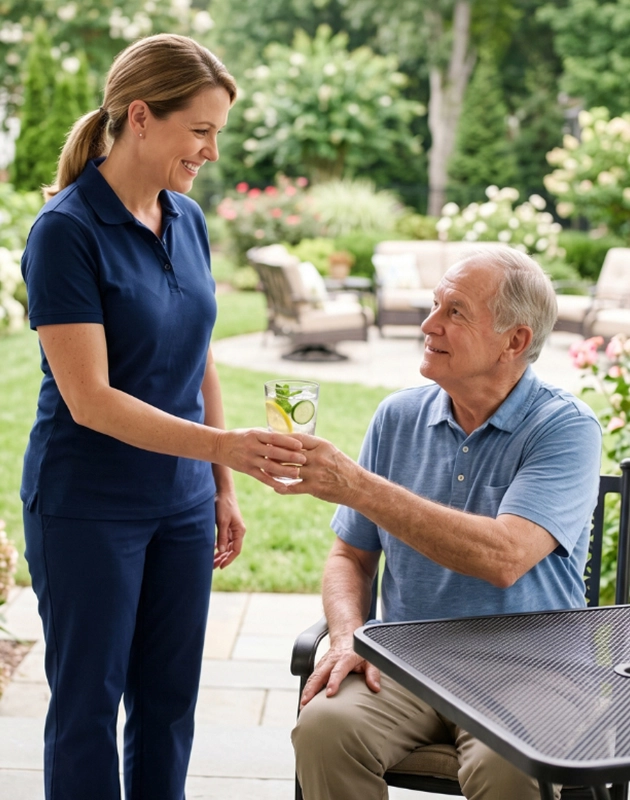
Day to day, support can include help with bathing, dressing, and grooming, safe assistance getting around the home to prevent falls, nourishing home cooked meals with encouragement to eat well and stay hydrated, which matters all year and especially through a Tucson summer, and reminders that keep medications on track. It also covers light housekeeping and laundry to keep the home safe and comfortable, rides to appointments, errands, and outings, and genuine companionship that eases the isolation many older adults feel. The goal is always the same, to fill in exactly where help is needed so your loved one can keep doing what they still do well.
How do you keep a loved one safe while they age at home?
We keep a loved one safe at home through attentive caregivers, fall prevention, medication reminders, a hazard free environment, and early attention to changes in health or ability. Falls are one of the biggest risks to aging at home, so our caregivers provide steady support with walking and transfers and help keep the home free of the clutter and hazards that lead to accidents.
Safety is also about noticing things early. Because a consistent caregiver sees your loved one regularly, they catch the small warning signs that something is changing and bring them to our attention before they become emergencies. Medication reminders reduce the risk of missed or doubled doses, good nutrition and hydration protect overall health, and steady companionship guards against the isolation that can quietly harm older adults living alone. Aging in place safely is not about doing everything for your loved one. It is about the right support, in the right places, from people who know them well.

How do you help seniors stay mentally engaged at home?
Staying mentally engaged matters for aging well, whether or not memory is a current concern. Our caregivers weave conversation, familiar activities, and gentle mental engagement into daily visits, tailored to what your loved one enjoys and is able to do. Delivered regularly by the same familiar caregiver, this steady engagement helps your loved one stay sharp, involved, and connected — not just cared for, but truly present in their own life.
How do you help seniors thrive at home, not just get by?
Thriving at home comes down to the small things done consistently — good meals, gentle movement, real conversation, and activities that bring a sense of purpose to the day. Our caregivers build these naturally into daily visits rather than treating them as a checklist. Because the same familiar faces return again and again, these habits become a comfortable part of everyday life, helping your loved one feel steadier, more connected, and more like themselves.
Is aging in place better than moving to assisted living?
For many older adults, aging in place is a better fit because it preserves independence, familiarity, and belonging while still providing the support they need, often at a comparable or lower cost than assisted living. Staying home means keeping your own routines, your own space, and your own sense of self, with care shaped entirely around you rather than around a facility’s schedule.
Assisted living is the right choice for some families, and we will always be honest when a higher level of support might serve your loved one better. But for those who want to remain in familiar surroundings with personal, one on one care, aging in place lets them keep the home and the life they love while receiving exactly the help they need. During your consultation, we will talk honestly through your loved one’s situation and help you weigh the options with clear information.

How does care grow as needs change over time?
Care grows with your loved one, starting with a few hours of help and expanding to live-in or 24-hour care whenever more support is needed. The great advantage of aging in place is that it flexes. What begins as light companionship and help around the house can gradually increase as needs change, all without uprooting your loved one from the home they know.
For those who need more, live-in care offers one familiar caregiver in the home around the clock, while our 24-hour care provides awake caregivers in shifts for loved ones who need someone alert at all hours. If memory becomes a concern, our dementia and Alzheimer’s care brings specialized support and consistent, engaging daily routines. Because your care team already knows your loved one, every adjustment happens smoothly, with familiar faces rather than strangers, so aging in place stays safe and sustainable at every stage.
Where does Premier In-home Care provide aging in place care?
Premier In-home Care provides aging in place care throughout Tucson, Oro Valley, Marana, Catalina, Catalina Foothills, Casas Adobes, Tanque Verde, Vail, Rita Ranch, Sahuarita, and the SaddleBrooke and Green Valley 55+ communities. Our caregivers live here too. They understand the rhythm of life in the desert, the real demands of the summer heat, and what it takes to help an older adult stay safe, comfortable, and independent at home in Southern Arizona.

Questions families often ask
Let us help your loved one stay home
If your family wants to help a loved one age safely and comfortably in the home they love, we are here to make it possible. We will build a caring, consistent team around your loved one and a plan that grows with them over time. Reach out to talk with our team and set up a free in home consultation. We would be honored to help.
Call (520) 276-6555 Premier In-home Care 3275 W Ina Road; Suite 117 Tucson, AZ 85741