Activities of Daily Living Support
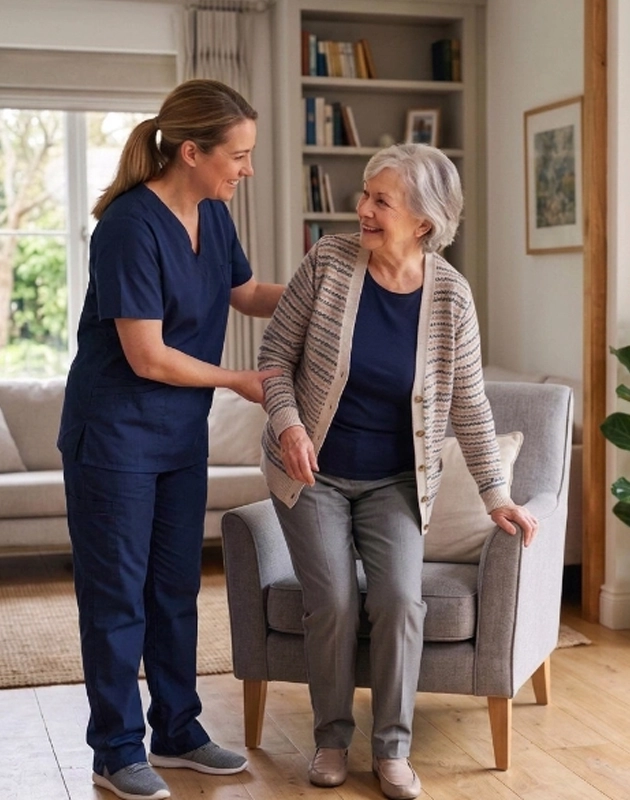
Activities of Daily Living Support in Tucson
There is a quiet moment many families reach, when they realize a loved one is struggling with the ordinary things that once came easily. Getting dressed takes longer, or feels unsafe. A bath becomes something to avoid rather than manage. Meals get skipped. These everyday tasks are what care professionals call ADL (activities of daily living), and help with them is the heart of what home care provides. Being able to keep doing them, or to receive gentle help where needed, is what allows a person to stay in their own home, surrounded by the familiar things and sense of belonging that mean so...
There is a quiet moment many families reach, when they realize a loved one is struggling with the ordinary things that once came easily. Getting dressed takes longer, or feels unsafe. A bath becomes something to avoid rather than manage. Meals get skipped. These everyday tasks are what care professionals call ADL (activities of daily living), and help with them is the heart of what home care provides. Being able to keep doing them, or to receive gentle help where needed, is what allows a person to stay in their own home, surrounded by the familiar things and sense of belonging that mean so much. Premier In-home Care provides that help the way it should be given, patiently and respectfully, from a small consistent team of caregivers who protect your loved one’s dignity while supporting exactly what they need.
Call (520) 276-6555 Ask about a free in home consultation
More than 600,000 hours of care. Over 600 Tucson families. Triple Best of Home Care winner. Proud VA approved provider.
What are activities of daily living?
Activities of daily living, often shortened to ADLs, are the basic self care tasks a person needs to do every day to live independently. Care professionals use the term to describe six core activities, bathing, dressing, eating, mobility or getting around, toileting, and personal hygiene or grooming. The ability to perform these tasks is a key measure of how much support someone needs, and difficulty with them is often the clearest sign that home care would help. At Premier In-home Care, supporting these daily activities with skill and dignity is the foundation of the care we provide, delivered by a familiar, consistent team so the most personal kinds of help come from someone your loved one trusts.
What are the six activities of daily living?
The six activities of daily living are bathing, dressing, eating, mobility, toileting, and personal hygiene. Together they cover the essential tasks a person must manage to care for themselves, and each one is an area where a caregiver can provide as much or as little help as your loved one needs.
Bathing means washing safely, which is one of the most common tasks to become difficult and one of the highest fall risks in the home. Dressing means choosing appropriate clothing and putting it on, which can be hard with limited strength or mobility. Eating means being able to feed oneself, though not necessarily to cook. Mobility, sometimes called transferring, means moving safely, getting in and out of bed or a chair and walking. Toileting means using the bathroom and managing continence with dignity. Personal hygiene, or grooming, covers brushing teeth, combing hair, shaving, and caring for the skin and nails. When any of these becomes a struggle, thoughtful support can restore both safety and confidence.

What is the difference between ADLs and IADLs?
The difference is that ADLs are basic self care tasks, while IADLs, instrumental activities of daily living, are the more complex tasks needed to live independently in a community. Both matter, and home care supports both, but they measure different levels of ability.
ADLs are the fundamental tasks of caring for one’s own body, bathing, dressing, eating, mobility, toileting, and grooming. IADLs are the higher level activities that support an independent household, such as preparing meals, managing medications, handling finances, doing housework and laundry, shopping for...
The difference is that ADLs are basic self care tasks, while IADLs, instrumental activities of daily living, are the more complex tasks needed to live independently in a community. Both matter, and home care supports both, but they measure different levels of ability.
ADLs are the fundamental tasks of caring for one’s own body, bathing, dressing, eating, mobility, toileting, and grooming. IADLs are the higher level activities that support an independent household, such as preparing meals, managing medications, handling finances, doing housework and laundry, shopping for groceries, using the telephone, and arranging transportation. A person often begins to need help with IADLs first, struggling to cook or keep up the house, before difficulty with ADLs appears. Understanding both helps build an accurate picture of what a loved one needs, and our caregivers support the full range, from managing the home to the most personal daily care.
How does a caregiver help with activities of daily living?
A caregiver helps with activities of daily living by providing hands on support tailored to each task, always encouraging the person to do what they safely can. Good ADL support is not about doing everything for someone. It is about filling in exactly where help is needed while preserving as much independence and dignity as possible.
In practice, that means safe, respectful help with bathing and a steadying presence to prevent falls, assistance with dressing that lets your loved one make their own choices, and help with eating that ranges from simple setup to full support. It means dependable help with mobility and transfers to keep your loved one moving safely, discreet and dignified assistance with toileting and continence, and gentle help with grooming and hygiene that keeps your loved one feeling like themselves. Because the same familiar caregivers provide this care, they learn precisely how much help your loved one wants with each task, and they give it in the way that feels most comfortable.
Why does dignity matter so much in personal care?
Dignity matters in personal care because these tasks are deeply private, and how help is given affects a person’s sense of self as much as their physical wellbeing. Accepting assistance with bathing or toileting can feel hard, and a caregiver’s patience, respect, and discretion make all the difference between help that diminishes and help that uplifts.
Our caregivers are trained to provide personal care in ways that protect privacy and preserve dignity, moving at your loved one’s pace, offering choices wherever possible, and never making them feel like a burden. Consistency is a big part of this, since receiving intimate help from a familiar, trusted caregiver is far more comfortable than from a rotating series of strangers. This is one of the most important reasons we build a small, dedicated team around each client. When personal care is given with genuine respect, your loved one keeps not only their safety but their sense of self.

Why does caregiver consistency matter in daily care?
Caregiver consistency matters in daily care because a familiar caregiver knows exactly how your loved one likes each task done and notices changes in their abilities over time. Daily care is personal and detailed, and those details are learned through repetition, not handed off in a note.
When the same caregivers return day after day, they know your loved one’s preferences, their routine, how much help they want with each activity, and the small things that make daily care comfortable. They also notice when something shifts, when a task that was manageable last month has...
Caregiver consistency matters in daily care because a familiar caregiver knows exactly how your loved one likes each task done and notices changes in their abilities over time. Daily care is personal and detailed, and those details are learned through repetition, not handed off in a note.
When the same caregivers return day after day, they know your loved one’s preferences, their routine, how much help they want with each activity, and the small things that make daily care comfortable. They also notice when something shifts, when a task that was manageable last month has become harder, which is often an early sign that needs are changing. Those observations get shared with your family so care can adjust in time. And the trust that builds with familiar caregivers is what makes the most personal help feel dignified rather than intrusive. In daily care, consistency is both practical and deeply human.
How does personalized care enhance daily support?
Personalized care turns everyday assistance into support for a fuller, more comfortable life. Rather than treating daily tasks as a checklist, our caregivers consider your loved one’s routines, preferences, abilities, and comfort while providing the help they need. This allows daily support to protect independence while also supporting overall wellbeing.
In practice, that means mealtimes can include good nutrition and company, help with mobility can include gentle encouragement to stay active within your loved one’s ability, and daily routines can include conversation and meaningful moments. Good hydration is part of it too, which matters all year and especially through a Tucson summer. Because the same familiar caregivers provide this care, these supportive habits become a natural part of the day. The result is daily support that helps your loved one stay safe, comfortable, and involved in the life they know.
How can caregivers make daily support more meaningful?
Daily support is about more than completing tasks. Our caregivers take time to understand your loved one’s preferences, routines, and interests so everyday care feels personal rather than simply being a list of things that need to get done.
That may mean talking together during a meal, encouraging a favorite activity, taking time for conversation, or simply providing companionship while completing everyday tasks. Familiar caregivers learn what brings your loved one comfort and enjoyment and incorporate those preferences naturally into the day. This approach helps daily care feel more supportive, respectful, and connected to the person receiving it.

How do you know when someone needs help with daily activities?
You know someone needs help with daily activities when tasks like bathing, dressing, eating, or moving safely become difficult, avoided, or unsafe. The signs often appear gradually, so they are easy to overlook until they add up.
You might notice a loved one wearing the same clothes repeatedly, or struggling to dress. Body odor or a decline in grooming can signal that bathing has become too hard. Weight loss may mean eating is a struggle. Unsteadiness, or bruises from bumps and near falls, can point to mobility trouble. A home that has grown cluttered or neglected often signals...
You know someone needs help with daily activities when tasks like bathing, dressing, eating, or moving safely become difficult, avoided, or unsafe. The signs often appear gradually, so they are easy to overlook until they add up.
You might notice a loved one wearing the same clothes repeatedly, or struggling to dress. Body odor or a decline in grooming can signal that bathing has become too hard. Weight loss may mean eating is a struggle. Unsteadiness, or bruises from bumps and near falls, can point to mobility trouble. A home that has grown cluttered or neglected often signals difficulty with the more complex daily tasks. Any of these is a reasonable reason to bring in support. Help with daily activities does not have to mean taking over. It can start with assistance in just the areas your loved one finds hard, preserving their independence everywhere else.
Where does Premier In-home Care provide daily living support?
Premier In-home Care provides activities of daily living support throughout Tucson, Oro Valley, Marana, Catalina, Catalina Foothills, Casas Adobes, Tanque Verde, Vail, Rita Ranch, Sahuarita, and the SaddleBrooke and Green Valley 55+ communities. Our caregivers live here too. They understand the rhythm of life in the desert, the real demands of the summer heat, and what it takes to help an older adult manage daily life safely and comfortably at home in Southern Arizona.

Questions families often ask
Let us help your loved one with the everyday essentials
If someone you love is finding the tasks of daily life harder to manage, thoughtful and respectful support can restore their safety and confidence at home. We will build a caring, consistent team around your loved one and a plan that helps exactly where it is needed while honoring their independence. Reach out to talk with our team and set up a free in home consultation. We would be honored to help.
Call (520) 276-6555 Premier In-home Care 3275 W Ina Road; Suite 117 Tucson, AZ 85741